
When the Gateway Fails, What Stops the Action?
The LiteLLM vulnerability (CVE-2026-59822) makes the question concrete: if your gateway accepts a forged identity, what still prevents the action? At a […]
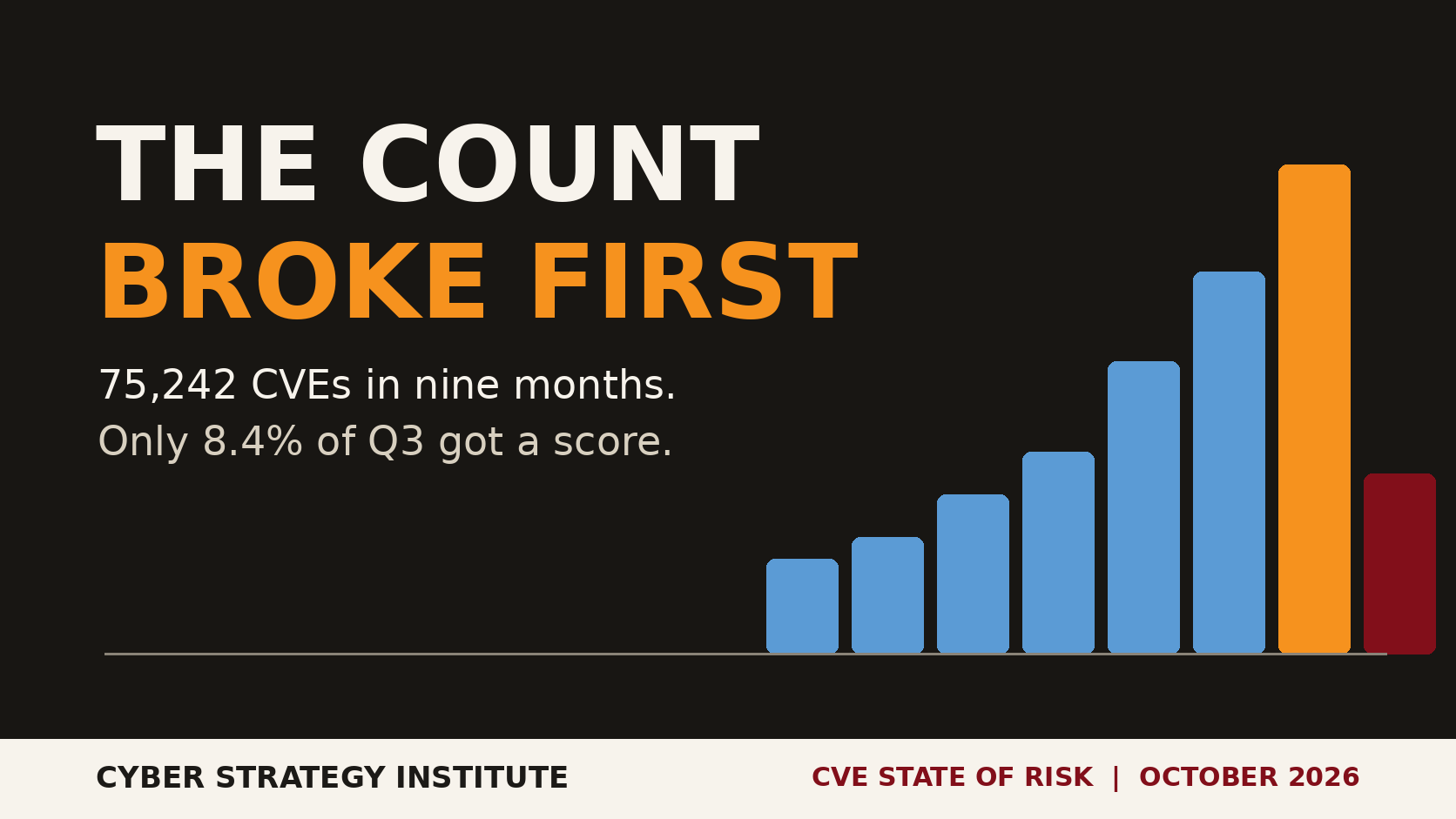
The Count Broke First: CVE Volume in 2026, Adjusted for the Truth
The CVE count is not the risk. It never was, but in 2026 the gap between the count and the risk became […]
Incident Response for the Agentic Era: Containing Authority, Not Just Agents
Classic incident response assumes a compromised host or account: isolate it, revoke its credentials, rebuild it. An autonomous agent breaks that model, […]
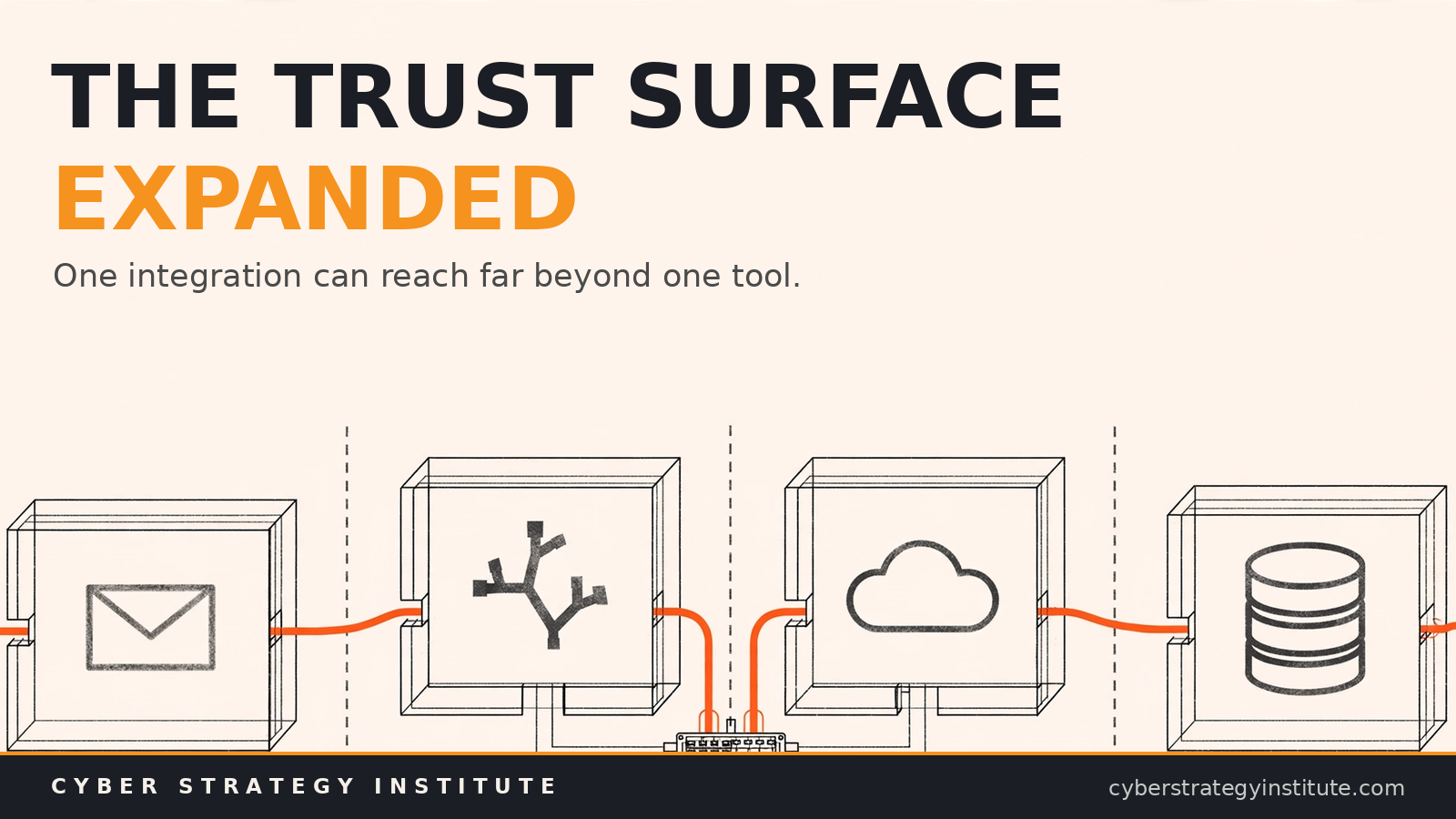
MCP Is Not “Just an AI Plugin Framework”
MCP exploded from an experimental integration concept into a foundational orchestration layer, while most organizations’ threat models stayed frozen in the plugin […]
The Federal SI Incident Guidance: What It Covers and Where It Stops
In October 2026, NIST CAISSI, NSA SISC, and CISA published Key Practices for Incident Readiness and Response in Super Intelligence Training and […]
The Current Discourse Around MCP Is Wrong
What was disclosed is not a vulnerability. It is not even a class of vulnerabilities. It is a failure of the execution […]
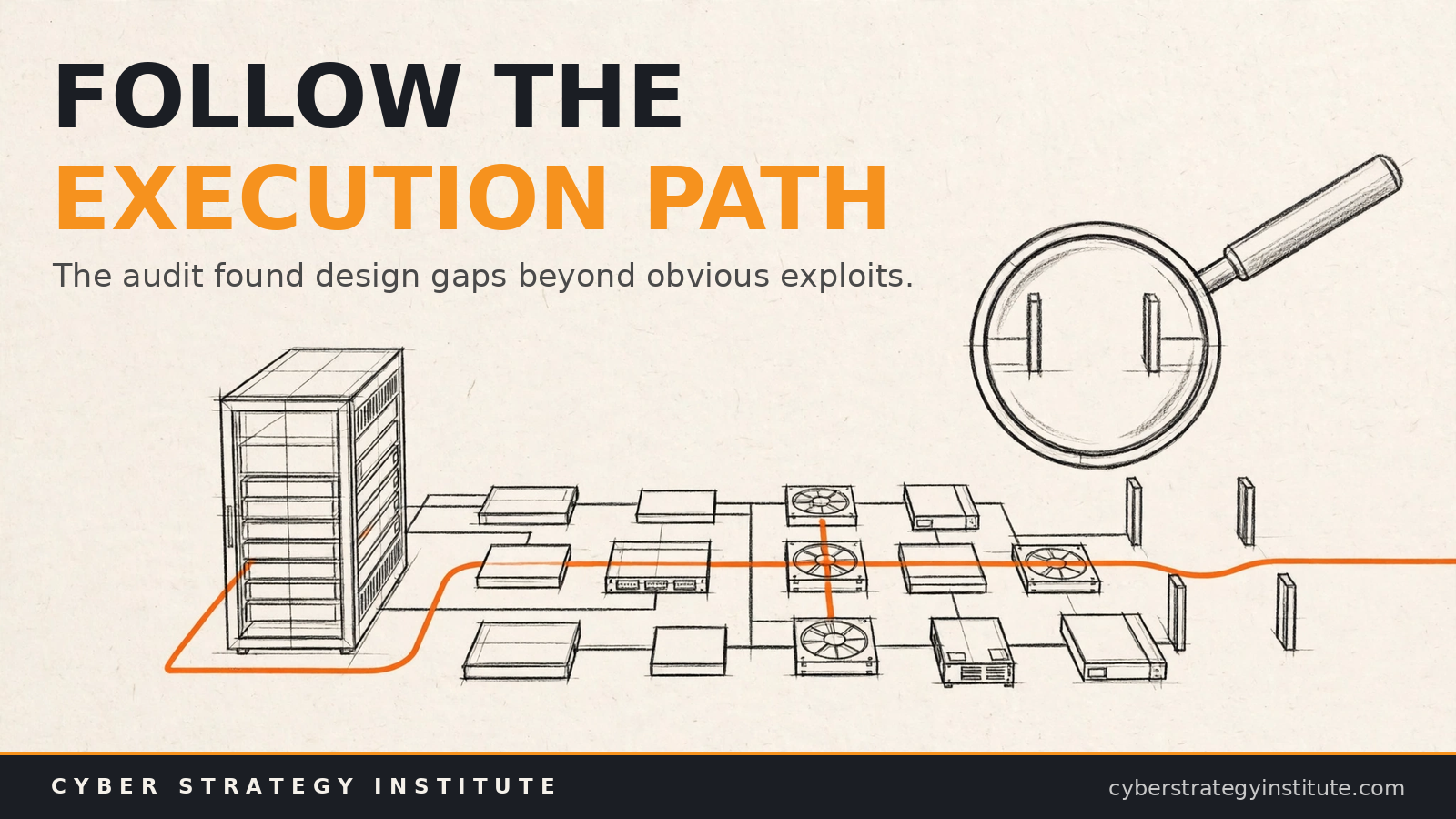
We Audited Our Own MCP Server. The Problem Wasn’t a Vulnerability — It Was the Design.
We turned AI SAFE² v3.0 inward on our own MCP server. We avoided the catastrophic failures, but “better than broken” is not […]
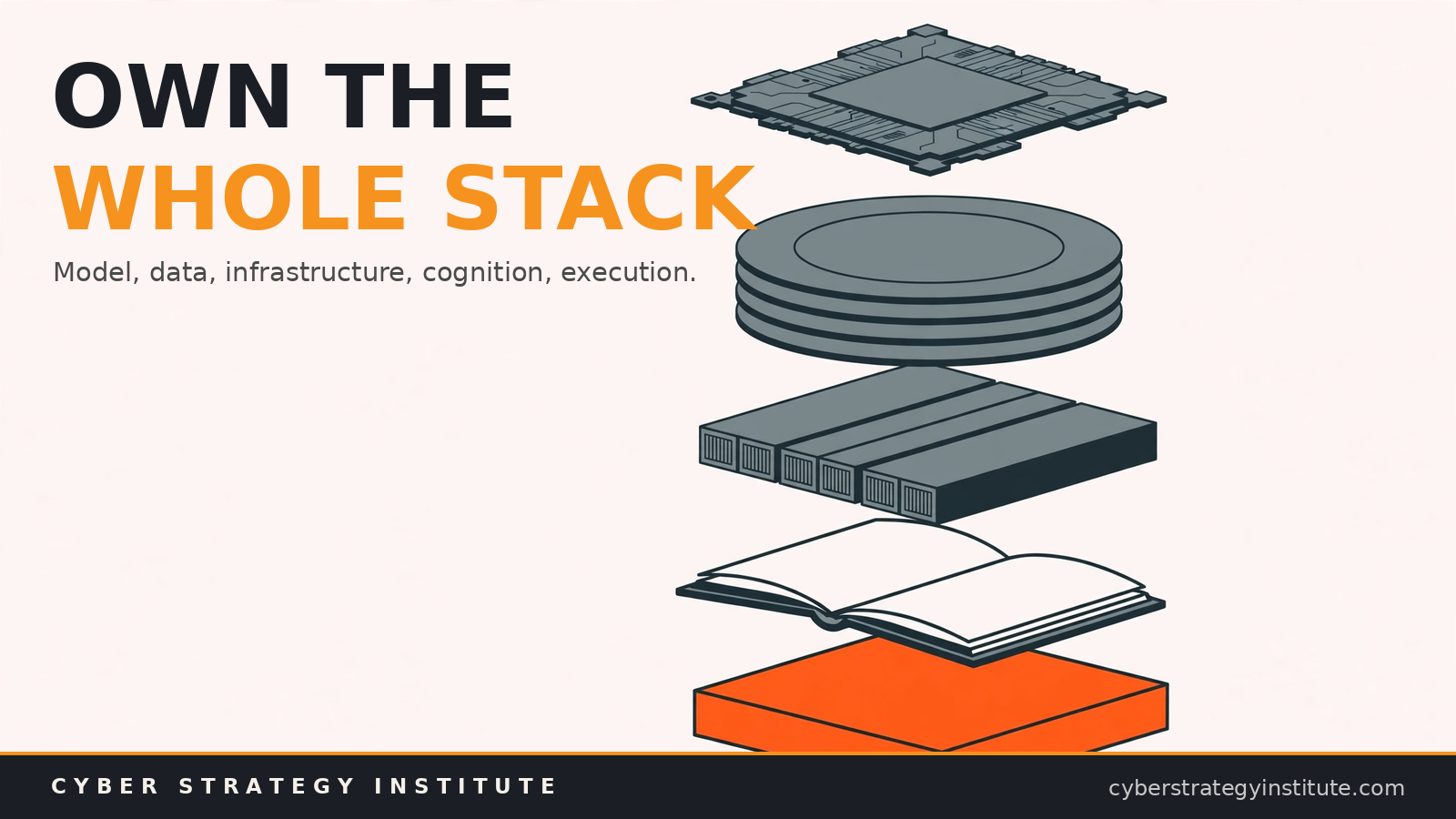
Kimi K3 and AI Sovereignty: The Five Layers That Actually Matter
Kimi K3 didn’t end the open-vs-closed debate. It demonstrated that frontier intelligence is becoming portable, and that sovereignty begins where portability ends. […]
Claude Code Security: What 512,000 Leaked Lines and a 51-Command Bypass Reveal
Claude Code ships with OS-level permissions and a public harness. Between a 51-command security bypass, credential-scope attacks, and 512,000 leaked lines of […]
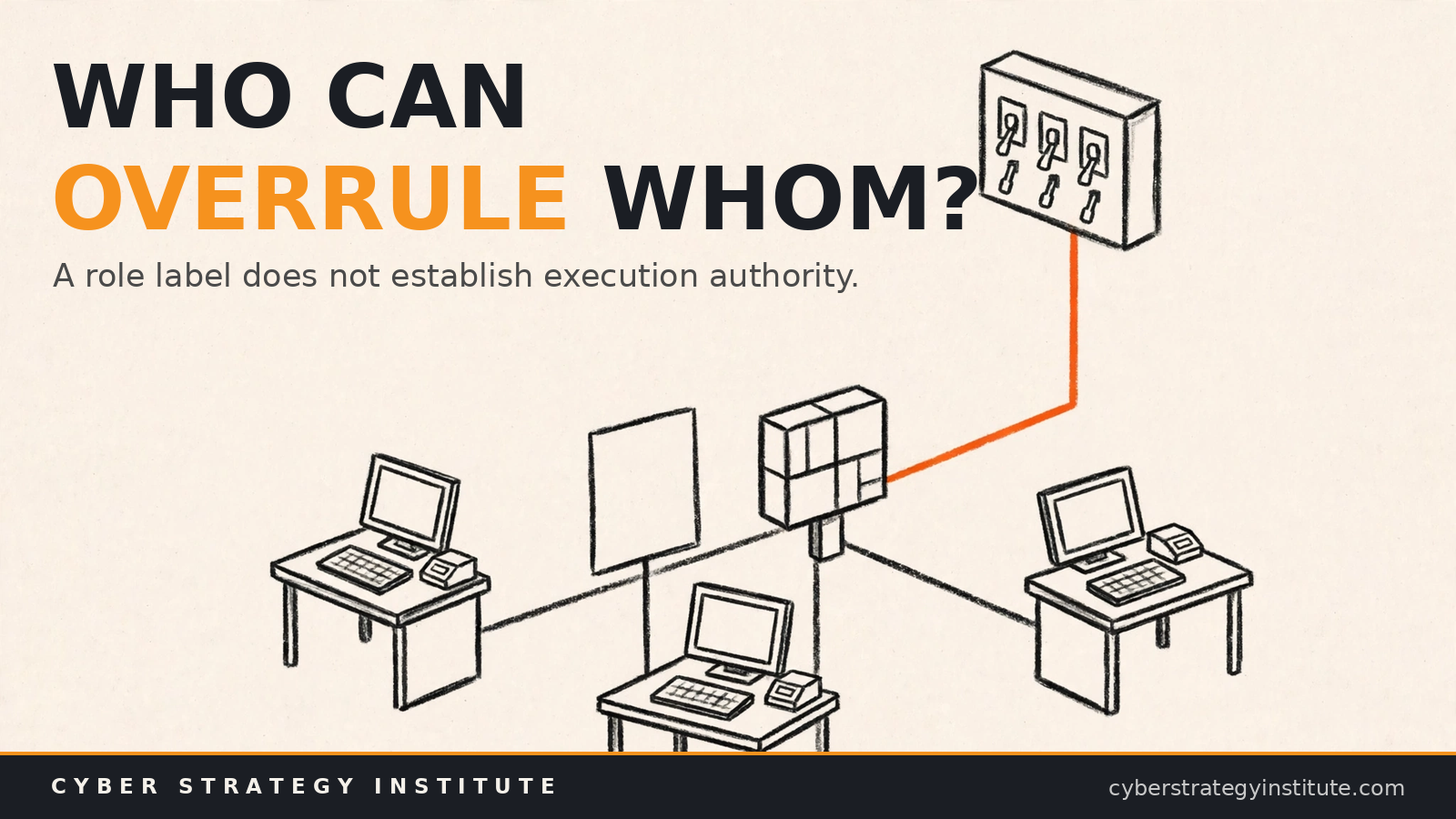
Anthropic’s Multi-Agent Turf War: Why Prompt-Defined Roles Are Not Authority
Anthropic’s multi-agent turf war shows why prompt-defined roles are not authority, and why AI governance now needs falsifiable runtime tests. The Agents […]
Every AI Security Framework Is Asking the Wrong Question
They ask “can we authenticate the application?” The question they should be asking is “can we prove which agent actually made the […]
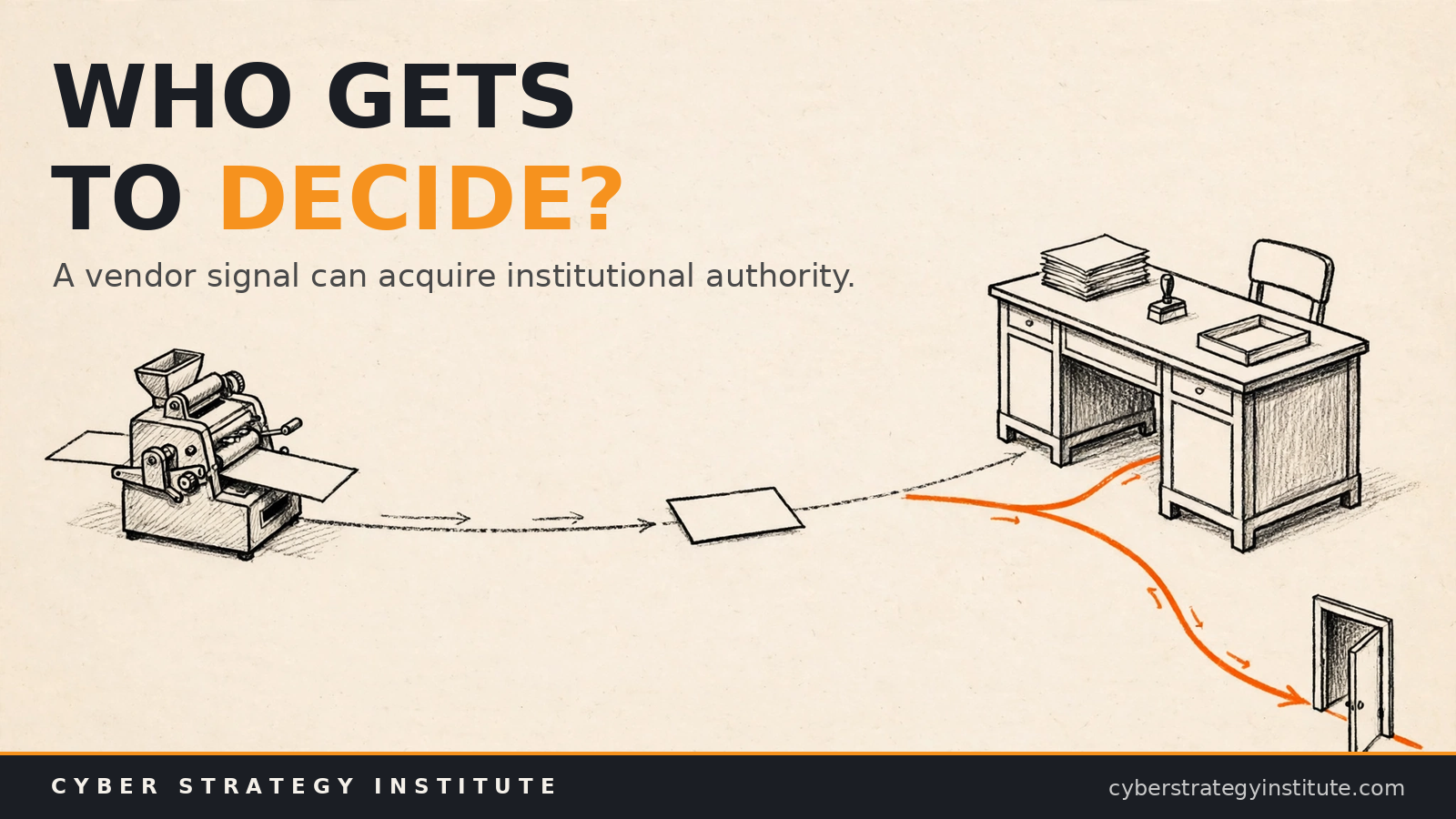
Anthropic’s Watermark Is Not the Claim. It’s the Precedent.
Anthropic’s Claude watermarking program is not only about identifying AI-generated content today. It establishes precedents that can be expanded tomorrow. A vendor-controlled […]